
Why Hunting and Outdoor Dogs Have Higher Tick Risk
written by Jessica Titchenal DVM
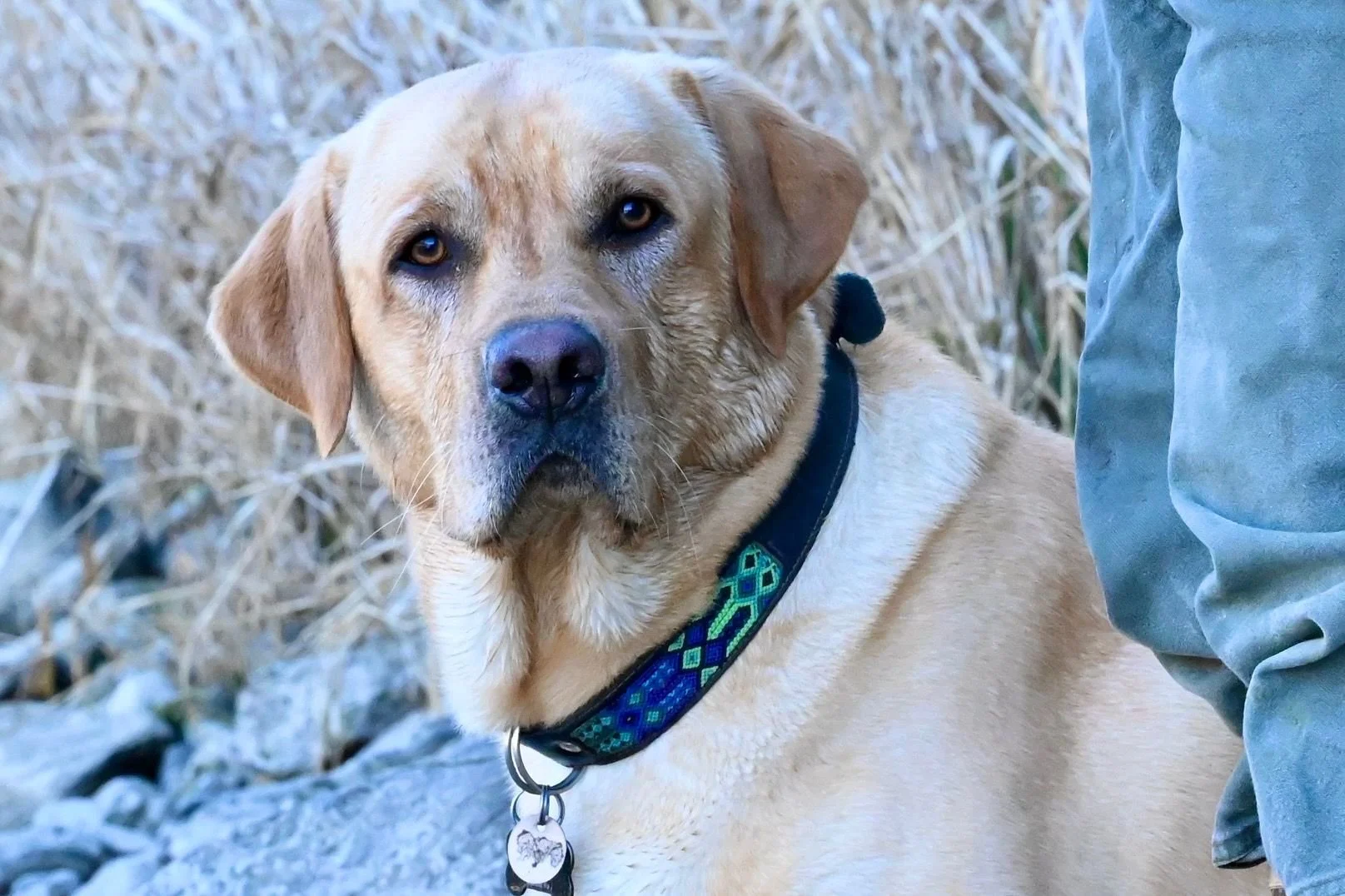
In Eastern Washington, many dogs spend a great deal of time outdoors. Whether they are hunting companions, ranch dogs, hiking partners, or simply dogs who enjoy exploring acreage, outdoor dogs often experience a lifestyle that brings them closer to nature—and closer to parasites like ticks.
While spending time outdoors is healthy and enriching for dogs, it can also increase their exposure to ticks and the diseases ticks may carry.
Understanding this risk allows pet owners to take simple steps that help keep their dogs protected.
Why Outdoor Dogs Encounter More Ticks
Ticks live in natural environments such as tall grass, brush, wooded areas, and field edges. These are the same environments where many dogs spend time during outdoor activities.
Dogs may pick up ticks while:
Hunting upland birds or other game
Running through tall grass or brush
Hiking wooded trails
Working on farms or ranches
Exploring fields or rural properties
Unlike fleas, which often live in homes or yards, ticks typically wait on vegetation and attach to animals that brush past them.
Because outdoor dogs move through these environments frequently, they have a greater chance of encountering ticks.
Tick Exposure in Eastern Washington
Tick populations vary from year to year depending on weather conditions and habitat, but exposure is a normal part of the outdoor environment in many parts of Eastern Washington.
Dogs that hunt or spend time in brushy or grassy areas during spring and fall often have the highest exposure.
Tick activity often increases during:
Spring, when temperatures begin to warm
Late summer and fall, when many hunting seasons take place
Even during cooler months, ticks can remain active on milder days.
Diseases Ticks Can Transmit
While many ticks do not carry disease, some can transmit bacteria that cause illness in dogs.
Veterinarians commonly screen for several tick-borne diseases, including:
Lyme disease
Anaplasmosis
Ehrlichiosis
These diseases can cause symptoms such as fever, lethargy, joint pain, decreased appetite, and other signs of illness.
Routine screening tests, such as the IDEXX SNAP 4Dx Plus Test, help us detect exposure to these diseases.
Practical Steps to Protect Outdoor Dogs
Outdoor dogs can still enjoy their activities safely with a few preventative habits.
Pet owners can help protect their dogs by:
Using consistent flea and tick prevention
Veterinarian-recommended preventative medications significantly reduce the risk of ticks attaching and transmitting disease.
Performing regular tick checks
After time spent in fields, brush, or wooded areas, a quick check can help locate ticks before they remain attached for long periods.
Common places ticks hide include:
Inside and behind the ears
Around the neck and collar area
Armpits and groin
Between the toes
Around the tail base
Monitoring for signs of illness
If a dog develops fever, lethargy, lameness, or decreased appetite after tick exposure, contacting a veterinarian is recommended.
Enjoying the Outdoors Safely
Outdoor activities are an important part of life for many dogs in Eastern Washington. Hunting, hiking, and working outdoors provide mental stimulation, exercise, and companionship for both dogs and their owners.
With consistent prevention, routine tick checks, and regular veterinary care, dogs can safely enjoy the environments they love.
If you have questions about flea and tick prevention for outdoor or hunting dogs, the team at Cheney Veterinary Clinic is always happy to help.
📞 Cheney Veterinary Clinic
509-235-6860
Each March, Cheney Veterinary Clinic also offers a Bravecto promotion — Buy One, Get One 50% Off — to help make preventative care more accessible for pet owners as parasite season begins.
